

Popular
-
 BSure Pregnancy Test Kit
100.00৳
BSure Pregnancy Test Kit
100.00৳
-
 MAAM CARE Electric Hot Water Bag 1000ml
Original price was: 450.00৳ .380.00৳ Current price is: 380.00৳ .
MAAM CARE Electric Hot Water Bag 1000ml
Original price was: 450.00৳ .380.00৳ Current price is: 380.00৳ .
-
 On Call Plus Test Strip (50 Strips) | Buy Original in Bangladesh
800.00৳
On Call Plus Test Strip (50 Strips) | Buy Original in Bangladesh
800.00৳
-
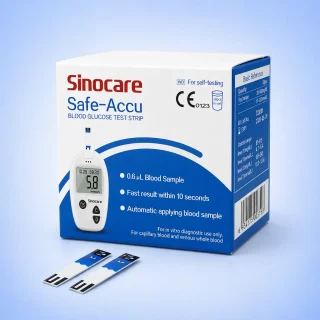 Sinocare Safe Accu Test Strip | Original Blood Glucose Test Strips
990.00৳
Sinocare Safe Accu Test Strip | Original Blood Glucose Test Strips
990.00৳
-
 Sinocare Safe AQ Blood Glucose Test Strips
1,050.00৳
Sinocare Safe AQ Blood Glucose Test Strips
1,050.00৳


Blood is one of the most precious resources in healthcare. Every single day, hospitals across Bangladesh depend on carefully stored blood products to save lives during emergency surgeries, trauma cases, and critical medical interventions. However, improper storage of blood bags can compromise the safety and efficacy of these life-saving products, potentially putting patients at serious risk.
The integrity of stored blood depends on maintaining precise environmental conditions from the moment of collection until the moment of transfusion. Temperature fluctuations, inadequate storage facilities, and lack of proper monitoring can lead to hemolysis (breakdown of red blood cells), bacterial contamination, and reduced cell viability—all of which render the blood unsuitable for transfusion.
Key Fact: Proper blood bag storage is not just about extending shelf life—it’s about maintaining the quality and safety of blood products that will be transfused into patients. Even a few hours of improper storage can significantly impact blood quality.
This comprehensive guide explains everything Bangladeshi hospitals need to know about blood bag storage, including temperature requirements, shelf life information, storage equipment, and best practices that comply with international standards.
Optimal Temperature Requirements for Blood Bag Storage
The Critical Temperature Range: 1-6°C
The most important factor in blood bag storage is maintaining the correct temperature range. According to the Food and Drug Administration (FDA) and international transfusion medicine standards, whole blood and red blood cell products must be stored at a temperature between 1°C and 6°C (approximately 34°F to 43°F).
Critical Standard: Blood bags must be stored at 1-6°C immediately after collection and maintained within this range throughout the entire storage period to ensure product safety and efficacy.
Why This Specific Temperature Range?
This temperature range is scientifically established for several important reasons:
- Prevents Bacterial Growth: At 6°C (the upper limit), bacterial contamination and growth in blood are reduced to a minimum. Temperatures above this range significantly increase the risk of bacterial multiplication, which can cause life-threatening sepsis when the blood is transfused.
- Prevents Hemolysis: At 2°C (near the lower limit), hemolysis is prevented. If blood is stored below 1°C or in freezing conditions without proper cryoprotectant, ice crystals form and rupture red blood cell membranes, destroying the cells.
- Maintains Cell Viability: The 1-6°C range allows red blood cells to remain viable and functional while slowing their metabolism. This extends the storage period while maintaining transfusion effectiveness.
- Preserves Platelet Function: For whole blood units, this temperature preserves the function of clotting factors and other blood components essential for transfusion efficacy.
Temperature Monitoring During Transportation
During transportation from collection centers to hospitals or from hospital storage to the patient, red blood cells can be kept at a slightly wider temperature range: 1-10°C. However, it is important that this higher temperature is maintained for the shortest possible time. Extended periods above 6°C significantly reduce blood shelf life and increase contamination risk.
Important Warning: Never allow blood bags to remain at room temperature or above 10°C for extended periods. Blood exposed to room temperature (20-24°C) for more than 30 minutes on any single occasion should not be returned to cold storage—it must be discarded.
Shelf Life by Blood Bag Type: Understanding Anticoagulants
The shelf life of stored blood depends primarily on the type of anticoagulant used in the blood bag. Different anticoagulants have different compositions and preservation capabilities. When blood is collected, it is mixed with an anticoagulant solution to prevent clotting. This same solution extends the viability of blood cells during storage.
CPDA-1 Blood Bags: 35-Day Shelf Life
CPDA-1 stands for Citrate Phosphate Dextrose Adenine-1. This is one of the most commonly used anticoagulants in Bangladesh and worldwide.
| Specification | Details |
|---|---|
| Full Name | Citrate Phosphate Dextrose Adenine-1 |
| Shelf Life | 35 days at 1-6°C |
| Storage Temperature | 1-6°C |
| Why 35 Days? | Addition of adenine to the CPD formula prolongs RBC viability to 35 days |
| Common Volumes | 450ml, 500ml (sometimes 250ml for pediatric use) |
| Best For | Most hospitals, blood banks, donation centers |
The adenine component in CPDA-1 is the key to its extended shelf life. Adenine helps restore ATP (adenosine triphosphate) levels in red blood cells, maintaining their metabolic function and viability longer than basic CPD solutions. This is why CPDA-1 is preferred in most modern blood banks.
CPD Blood Bags: 21-28 Day Shelf Life
CPD stands for Citrate Phosphate Dextrose. This is an older anticoagulant formula that is still used in some facilities.
| Specification | Details |
|---|---|
| Full Name | Citrate Phosphate Dextrose |
| Shelf Life | 21 days at 1-6°C |
| Storage Temperature | 1-6°C |
| Why Shorter? | Lacks adenine; RBCs consume available glucose after ~21 days |
| Common Volumes | 450ml, 500ml |
| Considerations | Shorter shelf life increases inventory management challenges |
After 21 days of storage in CPD, red blood cells have consumed most or all of the available glucose in the solution and manifest markedly impaired viability after reinfusion. In contrast, CPDA-1 maintains better cell viability throughout the 35-day period due to adenine addition.
Other Anticoagulant Types
While CPDA-1 and CPD are most common in Bangladesh, other formulations exist:
- CPDA-2/CPDA-3: Variations with different compositions; shelf life typically 35 days
- AS-1, AS-3, AS-5 (Additive Solutions): Used with reduced anticoagulant volumes; can extend shelf life to 42 days
- ACD (Acid Citrate Dextrose): Shorter shelf life; 21 days or less depending on variant
Hospital Note: Always verify the specific anticoagulant type and shelf life on each blood bag label. Different types have different storage requirements and shelf life periods.
Storage Equipment Requirements for Blood Banks
Blood Bank Refrigerators: The Essential Equipment
Proper blood bag storage requires specialized refrigeration equipment designed specifically for blood bank operations. Standard household or commercial refrigerators are not suitable for blood storage.
Key Equipment Features:
- Temperature Range Precision: Must maintain 1-6°C ±2°C consistently
- Alarm Systems: Should alert staff if temperature rises above 6°C or drops below 1°C
- Backup Power Supply: Should have battery backup or generator connection to maintain temperature during power failures
- Visible Thermometer: Easy-to-read digital or analog thermometer for quick temperature verification
- Continuous Monitoring: Modern blood bank refrigerators have data logging capability to record temperature continuously
- Adequate Capacity: Sufficient storage volume for your hospital’s daily blood transfusion needs plus emergency reserves
- Shelving Design: Organized shelving to prevent stacking blood bags improperly and ensure air circulation
Recommended Equipment Specifications:
| Equipment Specification | Requirement |
|---|---|
| Temperature Range | 1-6°C (±2°C accuracy) |
| High/Low Temperature Alarm | Must have audible and visual alarms |
| Power Backup | Battery backup minimum 2-4 hours; generator connection preferred |
| Door Sealing | Tight seal to prevent temperature fluctuation from frequent opening |
| Data Logger | For compliance documentation and quality assurance |
| Size Capacity | Based on daily transfusion volume (typically 300-600L for medium hospitals) |
Additional Storage Considerations:
- Location: Blood bank refrigerators should be placed in a climate-controlled room, away from direct sunlight and heat sources
- Ventilation: Ensure adequate ventilation around the refrigerator for proper cooling function
- Accessibility: Place refrigerators where authorized staff can access them easily but unauthorized personnel cannot
- Emergency Preparedness: Have contingency plans for equipment failure, including backup refrigeration options
- Regular Maintenance: Schedule preventive maintenance to ensure equipment reliability
Temperature Monitoring and Maintenance
Daily Temperature Monitoring Protocol
Hospitals must establish a rigorous daily monitoring schedule to ensure blood storage refrigerators maintain proper temperature:
- Minimum Twice Daily Checks: Check and document refrigerator temperature at least twice daily (morning and evening), preferably at consistent times
- Temperature Record Keeping: Maintain a log of all temperature readings with date, time, and staff member’s signature
- High-Temperature Alert: If temperature exceeds 6°C, staff must follow protocol: evaluate blood viability, possible quarantine or discard, and investigate cause
- Low-Temperature Alert: If temperature drops below 1°C, blood is at risk of hemolysis and must be evaluated before use
- Equipment Malfunction Protocol: Have a clear procedure for equipment failure, including backup storage arrangements
Preventive Maintenance Schedule
Regular maintenance prevents equipment failure and ensures consistent performance:
- Weekly: Clean external surfaces, check door seals, verify alarm functionality
- Monthly: Check cooling coils, defrost if necessary, test backup alarm systems
- Quarterly: Professional cleaning and inspection of internal components
- Annually: Professional calibration verification and comprehensive equipment servicing
Common Blood Bag Storage Mistakes and How to Avoid Them
Mistake #1: Temperature Fluctuations from Frequent Door Opening
The Problem: Frequently opening the refrigerator door allows warm air to enter, causing temperature fluctuations that stress red blood cells.
The Solution:
- Organize blood bags logically so staff can find needed units quickly
- Limit each door opening to 30 seconds maximum
- Use a temperature-controlled checkout system rather than browsing
- Train staff to minimize unnecessary door openings
Mistake #2: Improper Stacking and Organization
The Problem: Stacking blood bags too tightly or haphazardly prevents proper air circulation, creating temperature dead zones.
The Solution:
- Use shelving specifically designed for blood bank storage
- Allow space between blood bags for air circulation
- Never stack blood bags on top of each other haphazardly
- Organize by blood type and expiration date for FIFO (First In, First Out) rotation
Mistake #3: Using Expired Blood
The Problem: Using blood beyond its shelf life expiration can introduce contamination and compromised cell viability.
The Solution:
- Always check expiration dates before issuing blood
- Implement FIFO inventory rotation
- Mark units approaching expiration for priority use
- Discard expired blood appropriately according to hospital protocol
- Use blood bank management software to track expiration dates
Mistake #4: Not Monitoring Temperature Consistently
The Problem: Skipping or irregular temperature checks means equipment failures go unnoticed, potentially compromising stored blood quality.
The Solution:
- Establish mandatory twice-daily temperature checks
- Maintain a physical logbook with signatures
- Use automated data logging systems for backup documentation
- Create alarms that notify staff immediately of temperature deviations
Mistake #5: Inadequate Emergency Backup Planning
The Problem: Power failures or equipment breakdowns without backup plans can result in loss of entire blood inventory.
The Solution:
- Install generator backup power systems
- Maintain standby refrigeration capacity
- Establish agreements with nearby hospitals for emergency blood transfer
- Have portable coolers with ice available for temporary storage
- Regular emergency drills to test backup procedures
Mistake #6: Improper Transportation Temperature Control
The Problem: Blood left at room temperature during transport or removed from refrigeration for extended periods becomes unsafe.
The Solution:
- Use insulated coolers with ice or cold packs during transport
- Keep transportation time to absolute minimum
- Do not allow blood to remain at room temperature for more than 30 minutes
- Use portable temperature monitors during transport
- Never transport blood in vehicle trunks or hot areas
Best Practices for Bangladesh Hospitals
Staff Training and Competency
Proper blood storage begins with well-trained staff:
- All blood bank personnel should receive formal training in blood storage requirements and procedures
- New staff should complete competency verification before working independently
- Annual refresher training for all staff
- Clear documentation of training and competency assessments
- Regular updates on new procedures or equipment changes
Standard Operating Procedures (SOPs)
Every hospital should have written, documented procedures:
- Blood Receipt and Storage SOP: Detailed procedure for receiving blood and immediately placing in proper storage
- Temperature Monitoring SOP: Frequency, method, and documentation requirements
- Temperature Deviation Response SOP: Step-by-step procedure if temperature goes outside acceptable range
- Equipment Failure Response SOP: What to do if blood bank refrigerator fails
- Blood Issuance SOP: Verification procedures before releasing blood from storage
- Inventory Management SOP: FIFO rotation and expiration date tracking
Quality Assurance and Auditing
Regular quality checks ensure compliance:
- Monthly audit of temperature logs for compliance
- Quarterly review of blood bag inventory and expiration tracking
- Annual equipment calibration verification
- Incident tracking and investigation of any temperature deviations
- Performance metrics documentation
Record Keeping and Documentation
Proper documentation is essential for patient safety and regulatory compliance:
- Daily temperature monitoring logs with staff signatures
- Blood inventory records with receipt and issuance dates
- Expiration date tracking documentation
- Equipment maintenance records
- Incident and deviation reports
- Staff training and competency records
Regulatory Standards and Compliance in Bangladesh
International Standards
While Bangladesh has its own healthcare regulations, most hospitals follow internationally recognized standards for blood storage:
- FDA Standards (USA): 21 CFR 610 and 21 CFR 640 specify storage temperature requirements
- AABB Standards (American Association of Blood Banks): Provide comprehensive guidelines for blood bank operations
- ISO Standards: ISO 13485 for medical device quality management
- WHO Guidelines: International recommendations for blood safety
Bangladesh-Specific Considerations
Bangladesh blood banks should be aware of local requirements:
- Hospitals should maintain compliance with Bangladesh Medical Association guidelines
- Follow requirements set by Bangladesh Food and Drug Administration (BFDA) where applicable
- Ensure compliance with hospital accreditation standards
- Work with professional blood bank associations for best practice updates
Quality Certifications
Quality blood bag suppliers in Bangladesh should maintain:
- CE marking or FDA approval for blood bags
- ISO 13485 certification (Medical Device Quality Management)
- Compliance with international manufacturing standards
- Regular quality testing and documentation
Frequently Asked Questions About Blood Bag Storage
Q: What is the exact temperature for storing blood bags?
A: Blood bags must be stored between 1°C and 6°C. This is the internationally established range that prevents bacterial growth (above 6°C) and hemolysis (below 1°C) while maintaining red blood cell viability.
Q: How long can CPDA-1 blood bags be stored?
A: CPDA-1 blood bags can be stored for 35 days at 1-6°C. After 35 days, the blood must be discarded regardless of its appearance, as cell viability can no longer be guaranteed.
Q: What happens if blood is stored at room temperature?
A: If blood is exposed to room temperature (20-24°C) for more than 30 minutes, it must be discarded. Room temperature rapidly promotes bacterial growth and damages red blood cells, making the blood unsafe for transfusion.
Q: How often should blood bank refrigerators be checked?
A: Temperature should be checked and recorded at least twice daily at consistent times (e.g., morning and evening). Some hospitals check three or four times daily for enhanced safety.
Q: Can blood be refrozen if it thaws?
A: No. Once blood thaws from frozen storage, it cannot be refrozen. If blood has thawed, it must be evaluated for any temperature deviation that occurred and may need to be discarded if safety cannot be guaranteed.
Q: What is the difference between CPDA-1 and CPD blood bags?
A: CPDA-1 has a 35-day shelf life and contains adenine to maintain red blood cell viability longer. CPD has a 21-day shelf life and lacks adenine. CPDA-1 is preferred by most modern blood banks because it allows longer storage with maintained quality.
Q: How should blood be transported to other hospitals?
A: Blood should be transported in insulated coolers with ice or cold packs to maintain 1-6°C temperature. Transportation time should be minimized, and the blood should never remain at room temperature for more than 30 minutes. Use portable temperature monitors during transport when possible.
Q: What should be done if refrigerator temperature rises above 6°C?
A: Immediately follow your hospital’s deviation protocol: (1) Stop using blood from that refrigerator; (2) Quarantine affected units; (3) Investigate the cause; (4) Contact blood bank supervisor or medical director; (5) Determine if blood can be salvaged or must be discarded; (6) Document the incident completely; (7) Repair the refrigerator before resuming use.
Q: How should expired blood bags be disposed of?
A: Expired blood should be discarded according to your hospital’s biohazard waste protocol. It should not be returned to inventory under any circumstances. Most hospitals incinerate expired blood as medical waste. Always document disposal with the unit number and date.
Q: Can we use a standard home refrigerator for blood storage?
A: No. Standard home or commercial refrigerators are not suitable for blood storage because they: (1) Cannot maintain consistent 1-6°C temperature, (2) Lack temperature monitoring alarms, (3) Have no backup power systems, (4) Are designed for food storage, not medical supplies, (5) Do not have data logging capabilities. Blood bank-specific refrigerators are essential.
Q: What is hemolysis and how does it relate to storage temperature?
A: Hemolysis is the rupture of red blood cell membranes, releasing hemoglobin into the surrounding plasma. This occurs when blood is stored below 1°C (freezing without cryoprotectant) or at excessively high temperatures. Hemolyzed blood cannot be transfused as it can cause serious patient complications. Maintaining proper 1-6°C storage prevents hemolysis.
Q: How do we prevent bacterial contamination during storage?
A: Prevent bacterial contamination by: (1) Maintaining temperature at or below 6°C (bacteria growth slows dramatically at this temperature), (2) Proper collection techniques using aseptic methods, (3) Storing blood in sealed bags to prevent exposure to contaminants, (4) Regular visual inspection for unusual color or clarity, (5) Proper handling by trained staff, (6) Regular cleaning of storage refrigerators.
Q: How much blood should a typical hospital keep in storage?
A: The amount depends on your hospital’s daily transfusion volume, surgical schedule, and emergency preparedness. Most hospitals maintain a 3-7 day supply as a minimum. Your hospital’s medical director and blood bank director should establish appropriate inventory levels based on your specific needs and blood usage patterns.
Ensuring Safe Blood Storage: Your Hospital’s Responsibility
Blood storage is not a single action—it is an ongoing commitment to quality, safety, and excellence. Every member of your hospital staff who handles blood products, from collection to storage to transfusion, plays a critical role in ensuring that these life-saving products maintain their integrity and safety.
By implementing the practices outlined in this guide—maintaining proper temperature, using appropriate equipment, monitoring consistently, training staff thoroughly, and following established protocols—your hospital can ensure that every unit of blood stored maintains the highest quality standards.
Remember: the blood you store today may save a patient’s life tomorrow. The commitment to proper storage procedures is a commitment to patient safety and hospital excellence.
Ensure Your Hospital Has Quality Blood Bags
Proper storage starts with high-quality blood bags. At hammad.biz, we supply premium CPDA-1 and CPD blood bags that meet international quality standards and comply with all regulatory requirements for Bangladeshi hospitals.
Our blood bags feature:
- ✓ FDA and CE approved quality certifications
- ✓ Accurate anticoagulant formulations
- ✓ Reliable shelf life performance
- ✓ Competitive pricing in Bangladesh
- ✓ Consistent supply reliability
- ✓ Expert support for your blood bank
Don’t compromise on blood bag quality. Get reliable, affordable blood bags that you can trust.Get Blood Bag Price Quote Today
Key Takeaways: Blood Bag Storage Essentials
- Temperature is Critical: Maintain 1-6°C consistently. Never allow deviations.
- Know Your Shelf Life: CPDA-1 = 35 days; CPD = 21 days. Always verify the anticoagulant type on each bag.
- Equipment Matters: Invest in proper blood bank refrigeration with alarms and backup power.
- Monitoring is Non-Negotiable: Check and document temperature at least twice daily.
- Train Your Staff: Well-trained, competent staff is essential for safe blood storage.
- Plan for Emergencies: Have backup procedures for equipment failure or power loss.
- Use Quality Blood Bags: Start with certified, reliable blood bags from trusted suppliers.
- Document Everything: Maintain complete records for compliance and quality assurance.
Conclusion
Proper blood bag storage is one of the most critical responsibilities of any hospital or blood bank. The temperature, equipment, monitoring, and procedures you implement directly impact patient safety and transfusion outcomes. By following the guidelines and best practices outlined in this comprehensive guide, your Bangladeshi hospital can ensure that every unit of stored blood maintains optimal quality and safety from collection through transfusion.
Whether you manage a large teaching hospital, a district hospital, or a specialized blood bank, the principles remain the same: maintain the proper temperature, use appropriate equipment, monitor consistently, train staff thoroughly, and follow established procedures without compromise.
Blood storage excellence is achievable—and your patients deserve nothing less.
Related Resources
- Complete Guide to Blood Bag Types and Anticoagulants in Bangladesh
- CPDA-1 Blood Bags vs CPD: Complete Comparison & Which to Choose
- Blood Transfusion Process: Step-by-Step Guide for Healthcare Professionals
- Blood Bag Price Comparison in Bangladesh: Get the Best Deals for Your Hospital
- How to Choose a Reliable Blood Bag Supplier in Bangladesh
About This Article:
This article was prepared based on international blood storage standards from the FDA, AABB (American Association of Blood Banks), WHO guidelines, and current transfusion medicine best practices. All information has been verified for accuracy and applicability to Bangladeshi healthcare facilities. This guide is intended to provide general information and should be supplemented with your hospital’s specific protocols and local regulatory requirements. Always consult with your hospital’s medical director and blood bank specialist for specific guidance applicable to your facility.

Know Us

HAMMAD is a trusted online surgical and medical shop in Bangladesh. Our journey began with a simple yet profound mission...
Read More


Leave a Reply